
Lead Paint Removal
Lead Abatement in Milwaukee, WI
Nord Water & Fire Damage Restoration provides lead abatement & renovation services in Milwaukee and surrounding areas.
- Trusted restoration experts
- Fully licensed & insured
- Safe lead removal

Nord Water & Fire Damage Restoration
4.8 out of 5 in Google
Get a Free Quote Today
Fast Response. Zero Pressure. Contact us now for a free, no-obligation walkthrough. We respond quickly and offer expert advice without the high-pressure sales pitch.
Lead Paint Removal Company Serving Milwaukee, WI
Nord Restoration removes lead paint from homes and properties in the Milwaukee area. We contain the work area, remove the affected paint, and clean up so lead dust is not left behind or carried into other rooms. If you are planning a renovation or you have noticed peeling paint in an older home, contact us to discuss your options.
Nord Restoration is an IICRC certified firm serving Milwaukee and Southeast Wisconsin, with over 1,400 completed projects last year and hundreds of five star reviews. We offer 24/7 emergency response, work with insurance providers, and start every project with a free walkthrough and a clear cost estimate. We keep you updated during the job so there are no surprises.
Our Lead Removal Process
Lead abatement follows a set order of steps to keep lead dust contained and your home safe. The exact steps depend on the property and the condition of the paint, and your written estimate will lay out the plan for your home. Here is how a typical project goes.
Inspection and testing
We inspect the areas of concern and test the paint to confirm whether it contains lead. This tells us which surfaces need work and how large the job is.
Written estimate
We explain what we found, the method we recommend, and the cost. You get a clear estimate before any work begins.
Preparation and containment
We cover floors and furniture, seal off the work area with plastic sheeting, and shut down vents in that space. Containment keeps lead dust from reaching the rest of your home.
Paint removal
Our crew removes the affected paint using methods that limit dust, such as wet scraping and chemical strippers. We do not use open flame, dry sanding, or other methods that spread lead dust.
Cleanup
We clean the work area with HEPA vacuums and wet wiping, then bag and dispose of all debris according to local and state rules. Final check. We inspect the area again to confirm that no paint chips or dust remain, and we go over the results with you before we finish.
Final check
We inspect the area again to confirm that no paint chips or dust remain, and we go over the results with you before we finish.
Our Lead Removal Services

Lead Safe Renovation
Renovating pre-1978 properties requires strict precautions to ensure everyday remodeling doesn’t release toxic, airborne lead dust throughout your living spaces. Following certified EPA Lead-Safe guidelines, we establish critical dust containment barriers, seal off HVAC systems, and utilize specialized HEPA-shrouded tools for all cutting, demolition, and surface prep. Whether you are remodeling a kitchen, replacing aging windows, or restoring historic trim, our crew delivers high-end craftsmanship while keeping your home and family completely safe from cross-contamination.

Lead Abatement
Lead abatement is a permanent solution designed to eliminate lead paint hazards for good. Our state-certified team tackles deteriorating lead surfaces through complete paint stripping, friction-surface component replacement, and durable encapsulation or enclosure methods. Working under continuous negative air pressure with commercial-grade HEPA air filtration, we safely remove hazardous materials down to the bare substrate, conduct detailed multi-stage decontamination, and ensure your property passes rigorous post-abatement clearance testing.
Lead Paint In Milwaukee Homes
Around 88% of homes in Milwaukee were built before the 1978 federal ban on lead paint, and many still have lead hazards under newer layers of paint. Homes built before 1950 usually have the highest concentrations. Because of this, lead paint is a routine concern for Milwaukee homeowners, landlords, and anyone planning a renovation on an older property.
The City of Milwaukee Health Department points to lead paint on windows as the biggest concern in the city. Doors, floors, and the soil around a home can also carry lead. Paint that is intact is less of a risk, but windows and doors wear as they open and close and create fine dust, and sanding, scraping, or demolition can release it during a project. Even low levels of lead in a child’s body can cause permanent brain damage and affect behavior and the ability to learn, so young children and pregnant women are the main concern.
If you own or manage a Milwaukee home built before 1978 and you see peeling or chipping paint, or you are about to start renovation work, testing the paint first shows what you are dealing with. Nord Restoration removes lead paint from homes and properties across the Milwaukee area, and we offer a free walkthrough to look at the job and explain the next steps.
How to Recognize Lead Paint
You cannot tell for certain that paint contains lead by looking at it, but the age of the home and the condition of the paint give strong clues. These are the signs to check before you start any work.
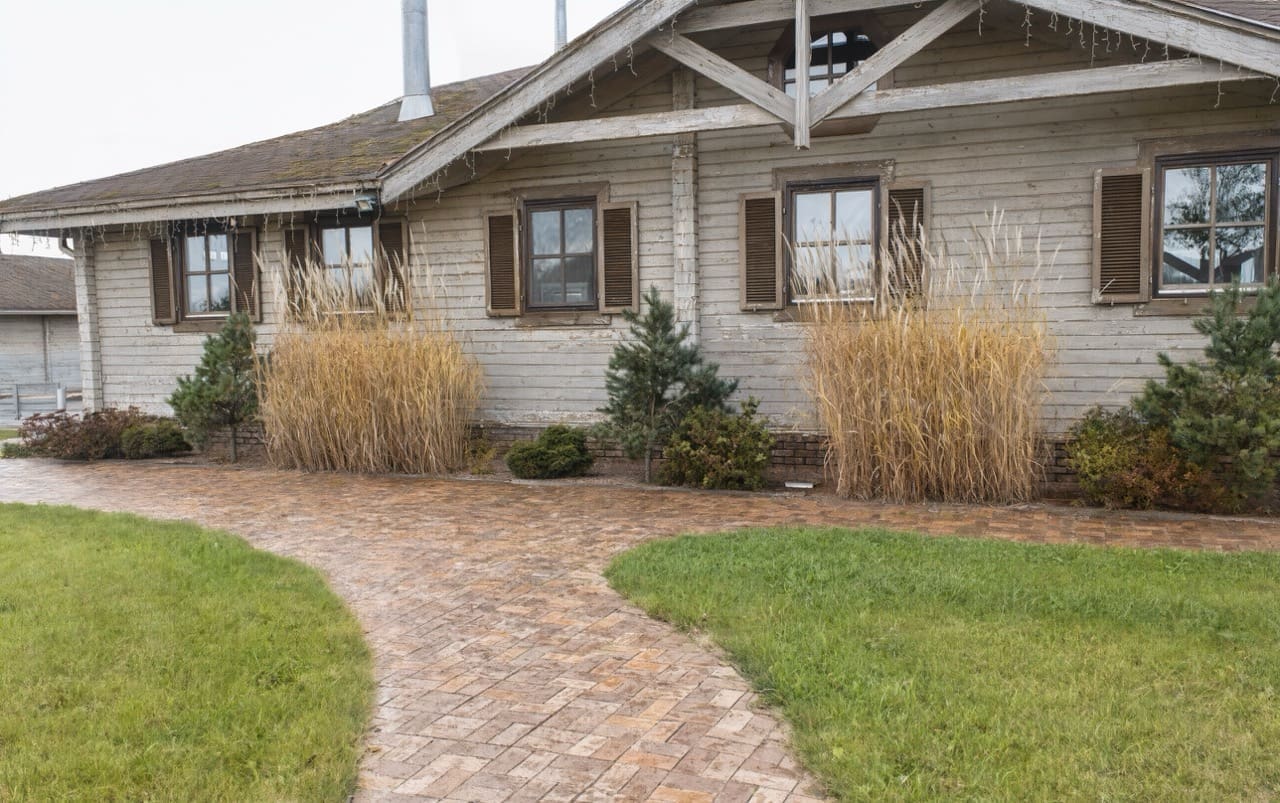
Check the Age of Your Home
The first thing to check is when the home was built. Lead paint was banned for residential use in 1978, so any home built before then may contain it. Homes built before 1950 are the most likely to have it, and in higher concentrations. If your house was repainted many times over the years, older lead paint can still be underneath the newer layers.
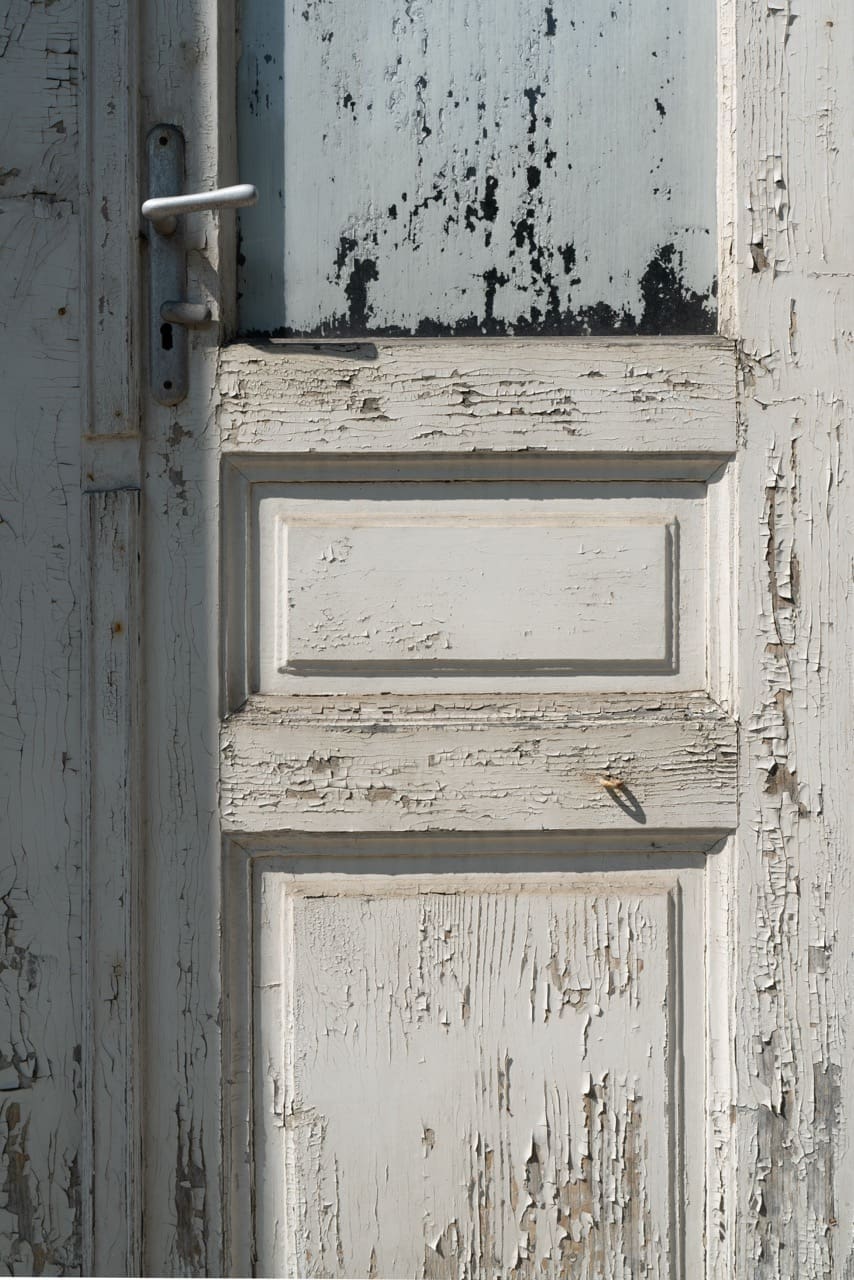
Look at the Condition of the Paint
Lead paint becomes a hazard when it breaks down. Peeling, chipping, and flaking paint are common signs, and so is a cracked pattern that looks like alligator skin. Paint that leaves a chalky powder on your hand when you rub it can also be a warning sign. Paint in good condition is less of a risk, but it still needs care if you plan to disturb it.
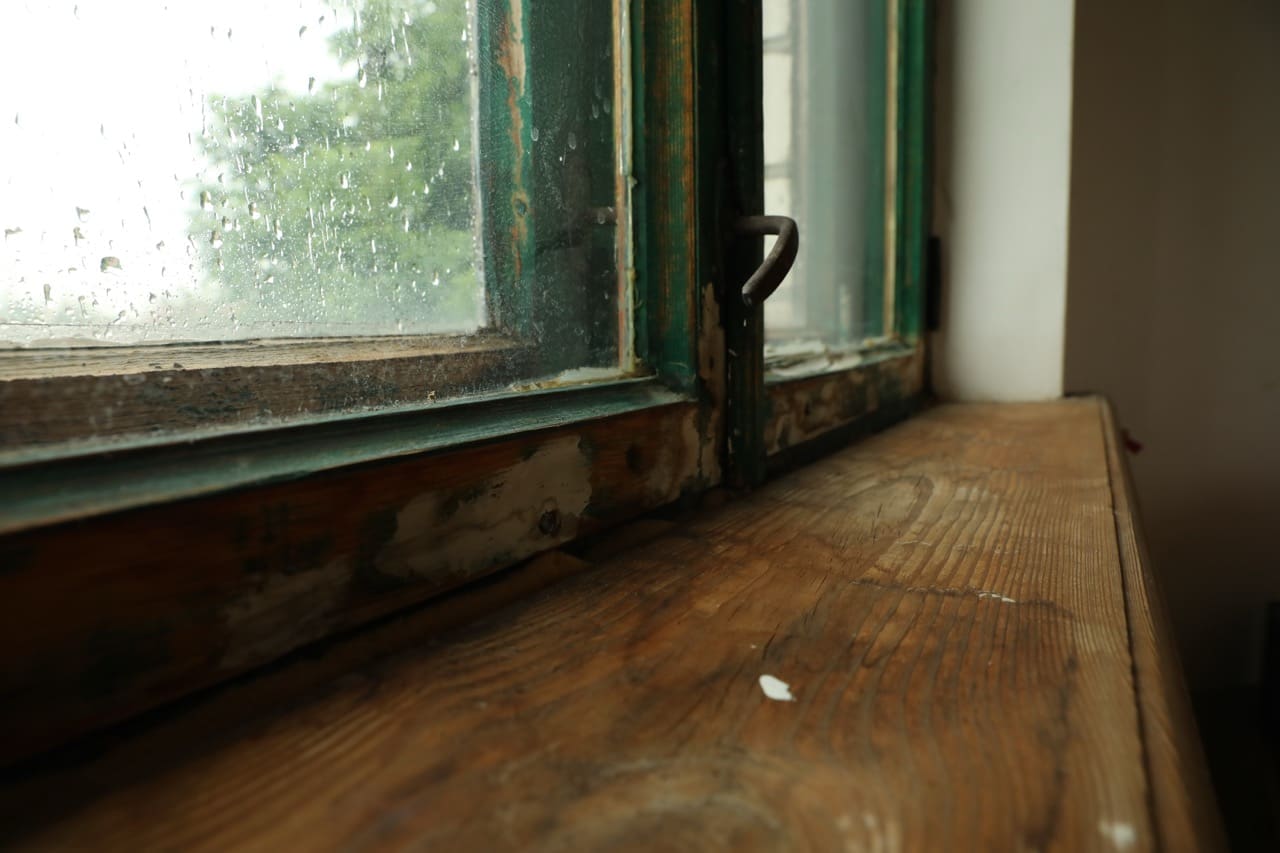
Know Where Lead Paint Is Most Common
Windows and doors are the most common trouble spots in older Milwaukee homes, because the paint wears down as they open and close and creates fine dust. Check window sills, window wells, door frames, and trim. Porches, stairs, railings, baseboards, and exterior siding are also worth a look, along with cabinets and radiators in older kitchens and bathrooms. Dust that keeps collecting near windows and doors, even after cleaning, can point to deteriorating paint.
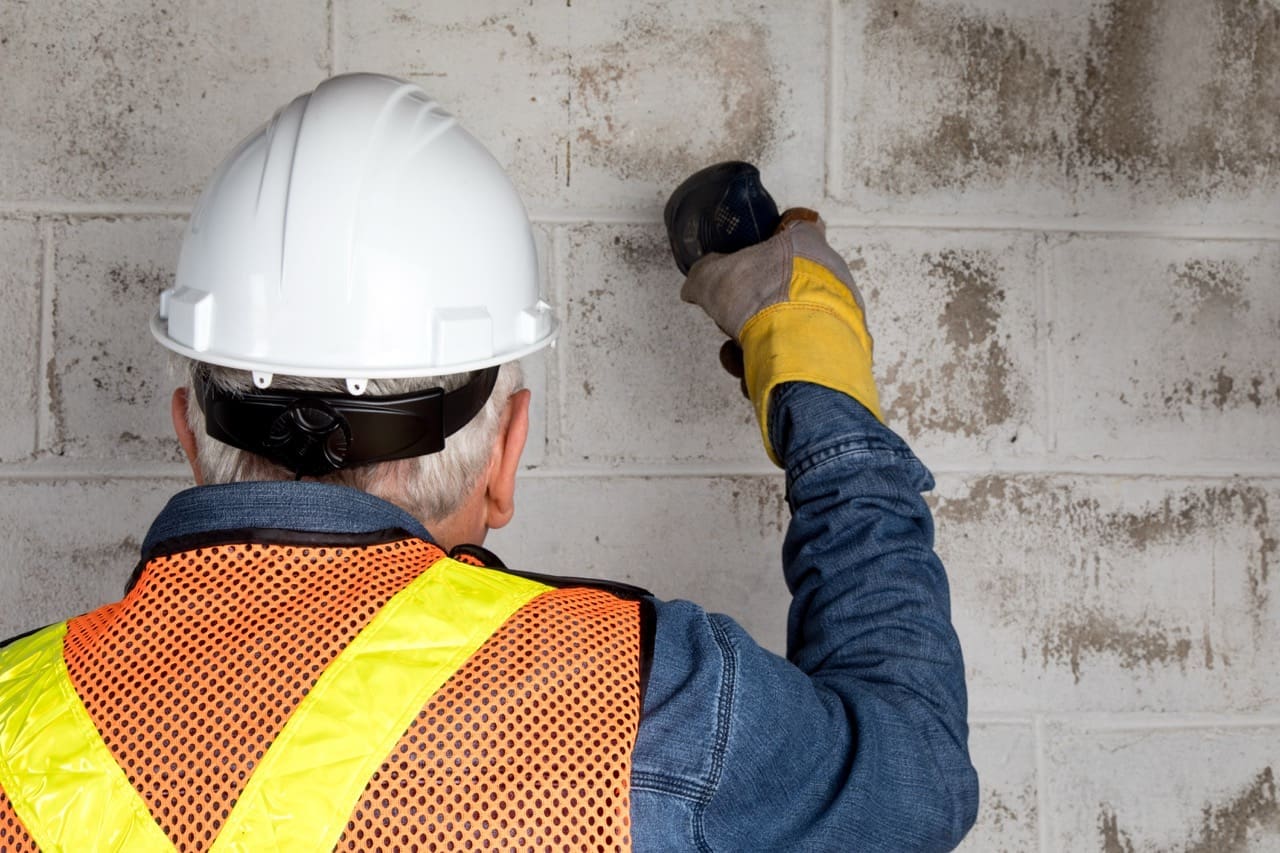
Get the Paint Tested
The only reliable way to know is to test the paint. A certified lead inspector can test painted surfaces on site, and a lab can analyze paint samples. Home test kits give a quick indication, but they are less dependable than professional testing. Do not scrape, sand, or cut into old paint to check it yourself, since that can release lead dust into your home. If you see damaged paint in a home built before 1978, keep children away from the area and have it tested before any repair or renovation begins.
Average Lead Removal Cost
How Much Does Lead Removal Cost?
On average, professional lead paint removal typically ranges between $8 and $17 per square foot. For targeted single-room projects or window-and-trim treatments, costs generally fall between $1,500 and $5,500, while comprehensive whole-home abatement projects can range from $10,000 to upwards of $30,000, depending on property size and condition.
Because every historic or older building presents unique challenges, final pricing depends heavily on the scope and methods required to make the space safe.
- Encapsulation ( avg. $4 – $8 / sq. ft.): The most budget-friendly method, which involves sealing intact lead paint under a certified elastomeric barrier. While cost-effective, it requires periodic monitoring and is not a permanent fix.
- Enclosure ( avg. $8 – $13 / sq. ft.): Mechanically covering affected surfaces with new, durable materials such as drywall, aluminum cladding, or paneling.
- Full Removal & Stripping ( Avg. $10 – $17 / sq. ft.): Chemical stripping, wet scraping, and HEPA-assisted sanding down to the bare substrate. This carries higher labor costs but permanently eliminates the hazard.
- Component Replacement: Completely removing and replacing high-friction architectural elements (e.g., vintage lead sash windows, doors, baseboards, and exterior siding). Costs depend on the price of the replacement materials and carpentry.
Key Factors That Influence the Cost of Lead Abatement
Square Footage & Architectural Complexity
Flat walls are straightforward to treat, but intricate crown molding, historic trim, high ceilings, or multi-pane window frames require intensive manual labor, significantly increasing the time on-site.
Containment & Negative Air Setup
To prevent toxic dust from traveling to unaffected areas, certified crews must construct heavy plastic isolation barriers, seal off HVAC vents, and run commercial-grade HEPA air scrubbers under negative pressure. Larger spaces or multi-story layouts require more extensive containment configurations.
Hazardous Waste Disposal Fees
Lead-contaminated waste cannot go into standard trash bins. It must be double-bagged, sealed, manifested, and transported to certified hazardous waste disposal facilities, which incur specialized hauling and dumping fees.
Surface Condition & Underlying Repairs
Peeling, flaking, or severely deteriorated substrates often reveal dry rot, water damage, or damaged plaster underneath. Repairing, re-drywalling, or priming these surfaces after abatement adds to the project’s total scope.
Testing & Clearance Verification
Legally compliant lead projects include initial testing (such as XRF analysis or risk assessments) and third-party post-abatement dust-wipe clearance testing to certify the home is safe for occupancy.
Frequently Asked Questions
How much does lead paint removal cost in Milwaukee?
On average, lead removal costs between $8 and $17 per square foot, with most homeowners spending between $1,500 and $5,500 for targeted spaces or component treatments. Whole-home abatement projects generally range from $8,000 to over $25,000, depending on home size, architectural details, and whether the scope requires full chemical stripping, enclosure, or window replacement.
Does homeowners insurance cover lead paint removal?
In most cases, no. Standard homeowners insurance policies cover sudden and accidental damage (like fires or burst pipes) rather than pre-existing conditions or ongoing maintenance. Most policies also carry explicit pollution exclusions that exclude lead and asbestos. However, if lead-bearing drywall or trim must be demolished as part of repairs for a covered claim (such as severe water or storm damage), the extra costs for certified lead-safe containment may sometimes be factored into that specific repair scope.
What is the difference between lead abatement and lead-safe renovation?
Lead abatement is a specialized, state-regulated procedure intended to permanently eliminate lead paint hazards through methods like stripping down to the bare substrate, structural enclosure, or component replacement. Lead-safe renovation (such as EPA RRP-certified work) focuses on standard remodeling, painting, or repairs in pre-1978 properties, utilizing strict containment, wet methods, and HEPA filtration so the project does not spread toxic dust to other areas of the building.
Can I remove lead paint myself?
DIY removal is strongly discouraged and often prohibited by municipal regulations in rental or multi-family properties. Dry scraping, heat-gunning, or power sanding lead paint releases millions of invisible, toxic dust particles that settle into carpets, ducts, and furniture, drastically elevating blood lead levels. Certified abatement professionals possess the commercial-grade negative air machines, containment barriers, and personal protective equipment (PPE) required to neutralize the risk.
How do I know if my home contains lead paint?
If your property was built before 1978, there is a high likelihood it contains lead-based paint, especially around high-friction surfaces like windows, doors, stairs, and baseboards. To know for sure, you can hire a state-certified lead inspector or risk assessor who uses specialized X-Ray Fluorescence (XRF) analyzers or laboratory paint-chip sampling to pinpoint hazards without damaging your surfaces.
Do I need to move out during the lead abatement process?
For major whole-home projects or high-dust work, occupants (especially young children, pregnant individuals, and pets) must vacate until the project is fully completed and cleared. For smaller, contained exterior projects or single-room jobs where airtight poly barriers and negative pressure units completely isolate the space, you may be able to remain in unaffected areas of the home.
How long does a typical lead abatement project take?
A small, targeted project (such as treating historic windows or a single room) usually takes 1 to 2 days. A comprehensive whole-house abatement with extensive stripping, drywall enclosure, and trim replacement typically takes 3 to 7 business days, followed by post-work clearance testing.
What happens during post-abatement clearance testing?
Once abatement and multi-stage HEPA cleaning are finished, an independent, certified third-party inspector collects dust-wipe samples from floors, interior window sills, and window troughs. These samples are analyzed by an accredited lab. If the dust levels fall strictly below federal and state safety thresholds, a formal Certificate of Lead Clearance is issued.
Are there government grants or assistance programs to help pay for lead removal?
Yes. Many municipalities, counties, and HUD-funded programs offer lead hazard reduction grants, forgivable loans, or low-interest financing to qualified low-to-moderate-income homeowners and landlords who rent to families with young children. Check with your local city health department or housing authority for active local programs.
Does removing lead paint increase property value?
Yes. Having documented proof of professional lead abatement eliminates a significant liability for buyers, especially families with young children. It simplifies real estate disclosures, removes transaction hurdles during home inspections, and protects landlords from costly tenant liability and municipal health department citations.
Local Experts
Professional Lead Removal
If you suspect your home has lead paint or has already tested positive, don’t wait for hazards to spread. Call Nord Restoration today at (414) 220-0224 to schedule an on-site walkthrough and restore your home’s safety.